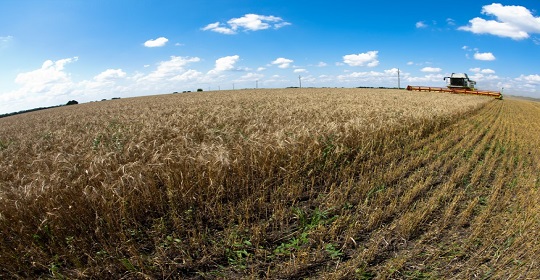
According to the latest data, exporters’ revenue from selling one ton of agricultural products abroad has recently increased by approximately 25%.
As Russian Prime Minister Mikhail Mishustin noted, this increase in product costs was primarily driven by Russia’s shift from exporting raw materials to more highly processed products.
This is particularly true for sectors such as meat, dairy, and confectionery, whose exports are currently growing in quantity.
While the average value of exported agricultural products was $390 by the end of 2024, it will reach $500 by the end of 2025, experts note.
Mishustin also noted that exports are one of the most important drivers of development in Russia’s agricultural sector as a whole.
In this sector, Russian companies are currently facing numerous external pressures, such as sanctions and tariffs.
However, exporters are still managing to operate successfully by finding ways to overcome emerging obstacles.
«Our priority goal is to increase non-resource, non-energy exports by 67% by 2030.
This is largely due to expanded shipments of industrial products, as well as agricultural goods.
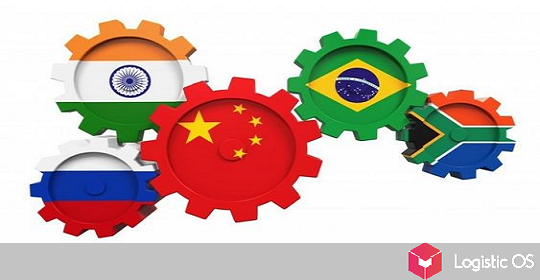
At the same time, friendly countries should account for at least 80% of the total volume,» the Prime Minister noted.
To achieve this goal, Russian authorities and exporters are working together.
For example, the national project «International Cooperation and Export» is currently being implemented. It envisions actively integrating Russian exports into logistics corridors leading to countries in Africa and Latin America.
A key condition for the success of such activities is the connection of Russian ports to these corridors, some of which are located on the Black and Azov Seas, while others are located in the Baltic and Pacific Oceans.
Furthermore, significant attention should be paid to the construction of infrastructure for these ports, logistics centers, and industrial sites.
Another important issue is the transition to settlements in national currencies, Mishustin noted.
The government and companies have made significant progress in this regard. Currently, national currencies account for approximately 85% of total export settlements.
This policy is extremely relevant today, as it reduces the opportunities for unfriendly states to exert pressure on Russia and also contributes to the strengthening of its own currency.