
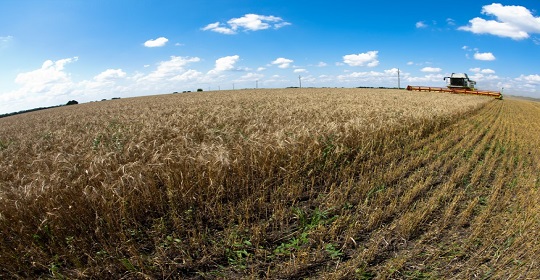
The Russian grain market is facing serious challenges driven by falling domestic prices and limited export opportunities.

A draft decision has already been published on the regulatory acts portal, and industry experts are actively discussing the upcoming changes.

Starting January 1, 2027, Russia will launch large-scale price monitoring for 24 key food product categories.

The Russian Ministry of Agriculture has developed a large-scale financial support program for domestic plant breeding and seed production.

The U.S. Department of Agriculture (USDA) has officially announced the launch of a large-scale digital reform of agricultural data collection and analysis.
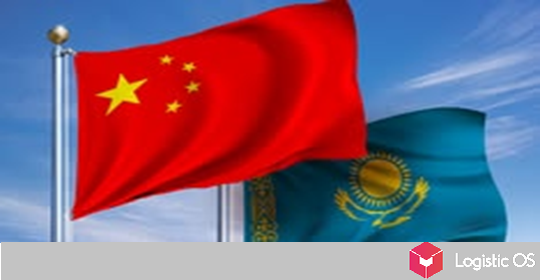
Kazakhstan’s agro-industrial complex is reaching a qualitatively new level of export relations with its main strategic partner in Asia.

China is rapidly transitioning its agricultural sector to the Fourth Industrial Revolution, replacing the intuitive approach of plant breeders with end-to-end AI technologies.
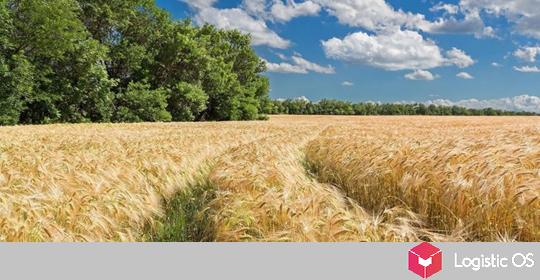
The decision of the Customs and Tariff Regulation Subcommittee on September 2 appears optimistic: the floating duty on wheat, barley, and corn exports will be reset to zero until December 31, while duties on sunflower oil and meal will be frozen at their August levels of 7,748 and 312 rubles per tonne, respectively.

The Russian grain market is experiencing one of the most complex and challenging stages of its transformation.
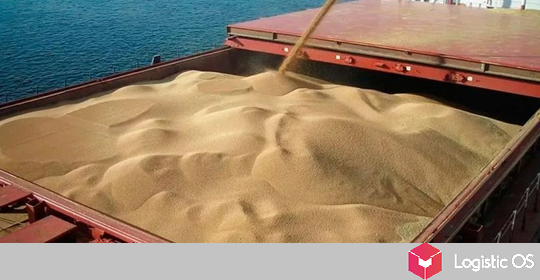
The Russian agro-industrial complex has faced a daunting challenge: a sharp increase in logistical problems at ports in the Azov-Black Sea basin has left a key export sector virtually blocked.