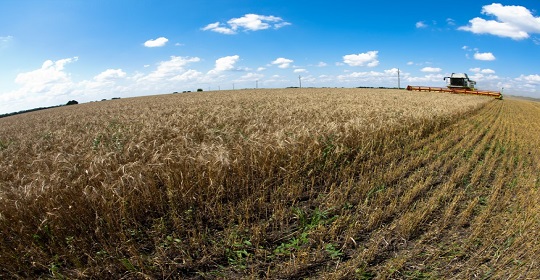
The latest data shows that in the first 20 days of May, Russian grain export volumes nearly doubled.
Overall, from May 1-20, Russia shipped up to 2.4 million tons of Russian grain abroad, 2.3 million tons of which was wheat, according to experts.
This represents a 1.8-fold increase compared to the same period last year, a significant figure.
Other crops, despite small shipment volumes in absolute terms, also demonstrated impressive growth.
For example, 97,000 tons of corn were exported, 2.8 times higher than the May 2025 level. Barley exports totaled 33,300 tons—a tenfold increase.
Finally, 100,000 tons of peas were shipped, 70% more than during the same two-day period last year. Here, too, we see a significant increase in volumes, indicating a rapid increase in exports.
At the same time, Russia is not only increasing the volume of grain it exports but also expanding its geographic reach. For example, the geography of wheat exports has expanded from 16 to 20 countries.
Egypt once again became the largest buyer, increasing purchases from 261,000 to 447,000 tons.
However, corn has completely shifted export destinations this year: the entire shipment went to Iran (61,300 tons) and Turkey (35,600 tons), whereas a year ago there were no exports to these countries at all.
Barley was also sent exclusively to Iranian importers, indicating a significant increase in cooperation between that country and Russia.
Meanwhile, an important trend is being observed in the grain market: the number of Russian grain exporters continues to decline, although the rate of decline has slowed.
According to analysts, the market has reached its optimal number of players. While 36 companies shipped wheat last season, the figure now stands at 24.
This decline could indicate consolidation: only the most serious players, those most resilient to the various challenges they face, remain in the market.
According to the Ministry of Agriculture, approximately 52 million tons of grain have already been exported since the beginning of the agricultural year.
Minister Oksana Lut confirmed that the final figure could reach 60 million tons. This forecast was made possible by the record 2025 harvest, which totaled 147 million tons.
The minister also did not rule out that, under favorable circumstances, deliveries could approach 62 million tons.
However, much will ultimately depend on the pricing environment, which is currently unfavorable for Russian sellers.