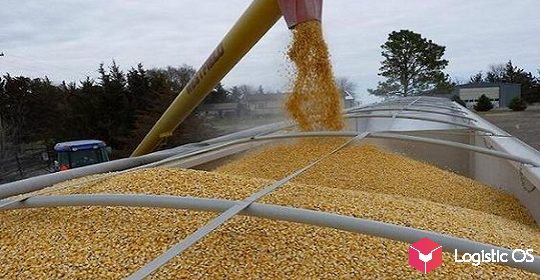
Russian export-oriented agribusiness is demonstrating impressive dynamics in the fat and oil sector.
According to fresh data from OleoScope analysts, in the first five months of this year, exports of oilseeds from Russia jumped by 39% compared to the same period last year and reached 1.57 million tons.
However, these beautiful figures hide a serious structural imbalance and a smoldering conflict of interests between raw material producers and domestic processors.
Soybean boom: China takes raw materials
The main driver of export growth was soybeans. Their shipments abroad increased by a record 2.7 times, amounting to 708 thousand tons.
The key consumer of Russian soybeans is traditionally China, where 476 thousand tons were consumed. The Celestial Empire values domestic beans for their lack of GMOs and uses them exclusively for food purposes.
This year, a new major player appeared on the horizon — Iran, which purchased about 25 thousand tons of raw materials.
At the same time, exports of finished soybean oil dropped by 2% (to 253 thousand tons), which clearly confirms that foreign partners prefer to process the beans themselves.
Experts attribute the soybean explosion to last year’s record harvest — 9 million tons versus 7 million tons a year earlier, which created an excess supply of goods.
Flax in plus, rapeseed in minus: influence of regulation
Flax took second place in terms of growth rates, adding 22% (to 544 thousand tons).
Experts note that domestic flax processing capacities in Central Russia are still just developing, which is why a surplus of 1.5–2 million tons has formed on the market, which logically goes abroad.
The only crop that showed a deep decline was rapeseed — its exports fell by 43% to 146 thousand tons.
But shipments of rapeseed oil increased by 10% (to 734 thousand tons), of which 90% went to China. This is a direct result of the protective duties that forced rapeseed to be processed domestically.
As for sunflower, its export due to the strict 50% duty remains minimal (147 thousand tons), and almost the entire volume is supplied to partners in the EAEU.
Duty question: what is the market waiting for?
The current situation is of grave concern to the Fat and Oil Union. Representatives of processors complain about the lack of capacity in the Far East and the weak level of protection of the domestic soybean market.
They see the solution to the problem as the introduction of a single export duty of 30% on three key crops — soybeans, rapeseed and flax.
It is expected that with the launch of a new large processing plant in the Far East, exports of unprocessed soybeans will come to naught.
On the other hand, independent experts call for a balance to be maintained.
To prevent Russian agricultural producers from losing their incentive to work and guaranteed sales, the state could consider introducing duty-free quotas for the export of soybeans and flax for the period while domestic processing plants are just being built.
Which concept will win — total protection of processing or support of farmers’ incomes through exports — will be shown in the near future.