The Russian oil and fat sector is demonstrating a confident shift in export vectors.
According to current data, China will be the leading buyer of domestic vegetable oils by the end of the 2025/26 season. China is taking the lead from India, which held the lead in the previous agricultural year.
The total volume of shipments to China is expected to reach an impressive 1.85 million tons, exceeding last year’s figure of 1.67 million tons.
Agribusiness experts predict that, if the current momentum continues, the total value of oil and fat products and oilseeds exports to China by the end of 2026 will closely approach the 2023 record level, reaching approximately $4 billion.
Growth Drivers and Supply Structure
This trade breakthrough is underpinned by a diversified export structure, with bulk cargo and raw materials for processing playing a key role.
First-half statistics recorded an explosive growth in shipments: Russia exported $2.2 billion worth of oilseeds and processed products to China, a 52.7% increase compared to the same period in 2025.
By value, the export portfolio is clearly dominated by rapeseed oil, accounting for almost half of all shipments (44.9%).
In physical terms, rapeseed oil volumes have already exceeded 1.4 million tons (a 16% increase).
Other significant exports include:
Flaxseed – 14.1% of shipment value;
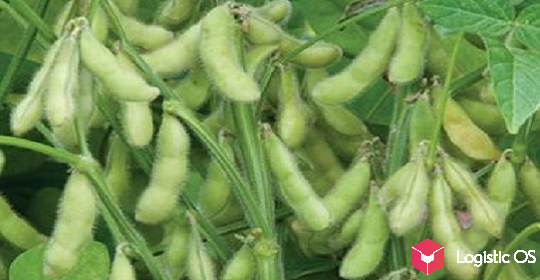
Soybeans – 13.2%;
Sunflower oil – 10.9% (0.3 million tons shipped, +8%);
Rapeseed and sunflower cake/meal – a combined 13%.
Analysts are particularly focused on the phenomenal rise of the flaxseed oil segment. Its supply volume increased by 724%, reaching 0.03 million tons.
This surge is the result of the targeted launch of new domestic processing capacities. The only decline was in soybean oil, with exports falling by 35% to 0.07 million tons.
Forecasts for the 2026/27 Season: Infrastructure Challenge
Domestic businesses remain optimistic and plan to increase production in the new agricultural cycle.
These positive expectations are supported by two key factors.
First, forecasts for the gross oilseed harvest in the 2026/27 season exceed 36 million tons, guaranteeing that processing plants will be fully utilised with raw materials.
Secondly, exporters have developed stable and flexible logistics routes for shipping bulk cargo to the East.
Experts emphasize that China is interested in the entire range of Russian vegetable oils. However, the key to realizing this potential will be the capacity of distribution channels.
«The main thing is that our export infrastructure can withstand all this,» the experts conclude.
Modernization of border terminals, port facilities, and optimization of railway tariffs will be the primary objectives for maintaining leadership in the Chinese market.