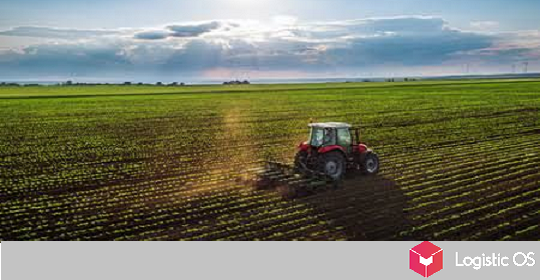
The current situation in the domestic grain market is jeopardizing the sowing of winter crops for the 2027 harvest.
Experts and industry associations are sounding the alarm: due to the collapse of domestic prices and the temporary halt in procurement, many agricultural producers are critically short of working capital to purchase key inputs—seeds, fertilizers, and fuel.
The situation is exacerbated by a decline in export rates and the unavailability of debt financing.
Price Spikes and Liquidity Shortages
According to analysts, by the end of August 2026, the domestic grain market had virtually come to a standstill. Buyers have adopted a wait-and-see attitude, hoping for further declines in raw material prices.
As a result, farmers are unable to promptly sell their harvested crops and use the proceeds for autumn field work.
Price indicators clearly illustrate the depth of the problem: in southern Russia, a ton of third-grade wheat has fallen to around 11,700 rubles. This level is significantly lower than the minimum threshold for state procurement interventions, which is set at 14,630 rubles per ton.
A sharp decline in export shipments also contributed to the sales constraints—in the first half of August, they fell by approximately 2.5 times, to 1.4 million tons. The remaining domestic oversupply continues to exert significant pressure on prices.
The industry’s financial situation is reflected in official statistics. In the first five months of this year, the share of profitable organizations in the crop and livestock sector fell to 71.5% (compared to 79.5% in the same period last year). The overall net financial result of the Russian agricultural sector has fallen by almost a third.
Technological Risks and Development Scenarios
Experts note that it is premature to talk about a systemic default or mass bankruptcies in the agricultural sector, as overdue accounts payable remain within normal limits.
However, the industry has entered a phase of rigorous financial selection. Small and medium-sized farms with high debt burdens and expensive logistics have proven to be the most vulnerable.
Large, vertically integrated agricultural holdings are better able to withstand price declines due to diversification, their own processing facilities, a developed elevator network, and access to long-term financing.
However, loans with floating rates tied to the high key rate remain a significant burden for the entire sector.
The main threat to the future harvest lies not so much in the reduction of sown areas—the Russian Ministry of Agriculture has already stated that it does not plan to reduce sowing volumes for food security reasons, although it allows for adjustments to its structure.
The main risk comes from forced savings on technology. If farms, due to a lack of funds, cut spending on high-quality seeds, crop protection products, and mineral fertilizers, this will inevitably lead to a drop in yields next summer.
In anticipation of government measures
The speed and effectiveness of government support will be a decisive factor in stabilizing the situation.
The relevant ministry is already developing rapid response mechanisms. Key measures being considered include:
conducting large-scale procurement interventions (up to 3 million tons);
extending existing preferential loans;
subsidizing grain sales.
If these instruments can be launched promptly, this could allow some grain reserves to be converted into needed market liquidity.
Otherwise, a protracted export decline will force farmers to sell off assets at bargain prices, triggering a wave of bankruptcies among individual companies and accelerating market consolidation among major players.