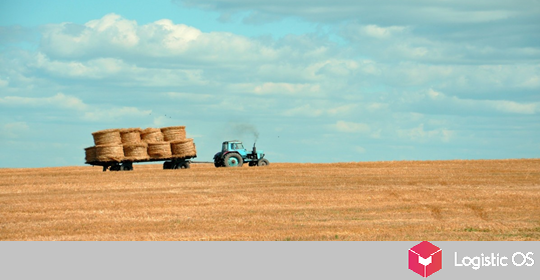
The new three-year budget proposal retains the core mechanisms for developing the agricultural sector, while significantly reallocating financial resources among various areas.
Consolidated Budget Parameters and Priority Focus Areas
According to the draft of the country’s medium-term primary financial document, the total funding for four key sectoral programs over the next three years is set at 1.3 trillion rubles.
Within this limit, 430 billion rubles are earmarked for the coming year, followed by 440 billion and over 422 billion rubles for the subsequent two years, respectively.
Relevant government agencies state that the foundation of state support remains unchanged. Established and in-demand mechanisms have been preserved, including subsidized working capital and investment loans, assistance for exporters, direct subsidies for producers of potatoes and open-field vegetables, and funding for subsidized agricultural machinery leasing programs.
At the same time, the focus is shifting toward technological independence: allocations for the national project aimed at ensuring food security have been increased by one-fifth.
Significant Reduction in the Core Sectoral Program
Despite the substantial overall figures, a detailed analysis of the budget parameters reveals a sharp decline in funding for a key area of agricultural development. Only about 261.4 billion rubles have been allocated for the core state program for the coming year, compared to more than 402.2 billion rubles in the current period.
Experts from the relevant State Duma committee have calculated that the volume of support under this line item will fall by nearly 35%.
Domestic-focused initiatives will be hit even harder. Funding for technical modernization is set to be cut by 46.6%, support for medium-term investment activities will be reduced by nearly 40%, and the export promotion sector will see its funding drop by approximately 38% compared to current actual levels.
Small-scale agribusiness faces the most severe cuts, with its budget being reduced by more than half.
Land Management and Rural Development
The situation regarding infrastructure projects is complex. Plans for the upcoming year allocate 33.37 billion rubles to the program focused on bringing land into agricultural use and land reclamation—a nominal increase of 3% over current figures.
However, analysts point to a hidden shortfall: actual funding for this area falls more than 20 billion rubles short of the targets set out in the original strategic roadmap, with further reductions to 27.4 billion rubles projected for the coming planning period.
At the same time, budget allocations for the comprehensive development of rural areas are being cut by nearly a third.
In light of this, members of parliament have officially recommended identifying additional resources to bolster support for the sector, aiming to prevent a technological lag and a slowdown in the pace of modernization.
Implications for Market Investment Activity
Industry analysts agree that the reduction in subsidies will be highly painful for businesses, particularly regarding long-term investments. Given the extremely high cost of commercial credit, many projects—such as those involving modernization or the construction of processing facilities—are already teetering on the brink of zero profitability.
These budget cuts will force many businesses to postpone the purchase of equipment and the renewal of their machinery fleets. Moreover, the impact of a funding shortfall will be uneven: while large holdings may be able to weather the crisis thanks to their scale and diversification, small-scale operations and individual farmers—who rely heavily on direct subsidies—will find themselves in a vulnerable position.
In the medium term, this will inevitably hinder the growth of labor productivity and limit the sector’s ability to keep food production costs in check.