


The global food supply system has been dealt a severe blow, and we will feel the full impact of this crisis in the coming months.

This season, the domestic agro-industrial complex continues to operate under heightened operational strain caused by increasingly complex supply chains and volatility in the fuel and lubricants market.

The domestic grain market is demonstrating a high degree of adaptability amidst significant infrastructure changes.

The domestic agro-industrial complex has faced the need to radically restructure its established product distribution routes.

The current harvest campaign is showing highly uneven progress across key areas.

The modern agro-industrial complex has long since transcended the boundaries of traditional rural areas.

According to expert estimates, current wheat prices have already fallen to 2018 levels, yet there is a real risk of a further decline to the critical lows seen in 2013–2014.

A sharp decline in entrepreneurial activity has been recorded in the domestic crop production sector.
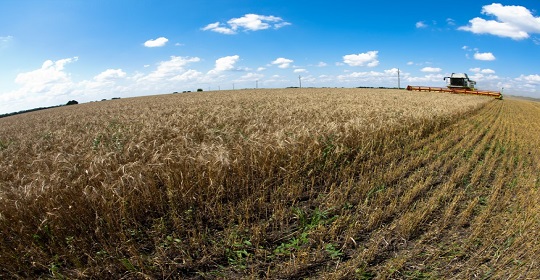
The export logistics crisis in the South has triggered tectonic shifts in the domestic grain market.
Russia’s Ministry of Economic Development has presented an updated forecast for the country’s socio-economic development for 2027 and the planning period of 2028–2029.