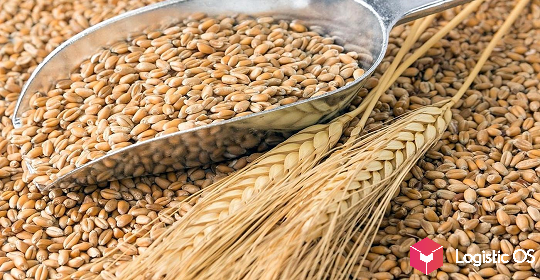

The current situation in the domestic grain market is jeopardizing the sowing of winter crops for the 2027 harvest.
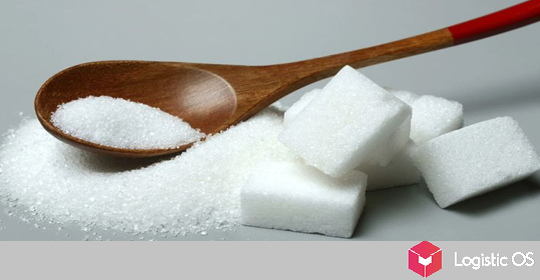
In August 2026, the global sugar market demonstrated a classic example of structural imbalance, with two major players in the agro-industrial complex finding themselves at opposite ends of a market crisis.
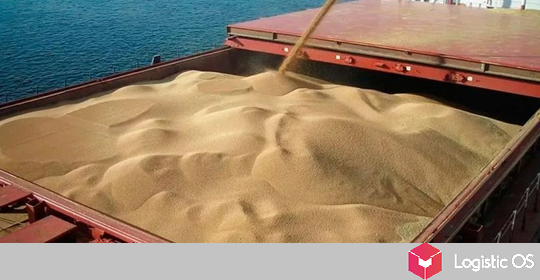
The Russian agro-industrial complex has faced a daunting challenge: a sharp increase in logistical problems at ports in the Azov-Black Sea basin has left a key export sector virtually blocked.

The Russian agro-industrial complex is entering a phase of active government regulation caused by temporary difficulties in export logistics.
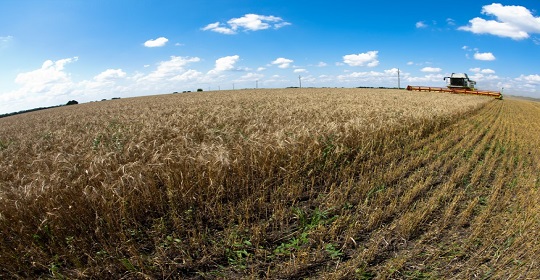
The domestic grain market is facing unprecedented pressure.

The current state of Russia’s agricultural machinery fleet demonstrates an alarming trend: despite the enormous volume of work, the pace of production modernization is rapidly declining.

The Russian oil and fat sector is demonstrating a confident shift in export vectors.
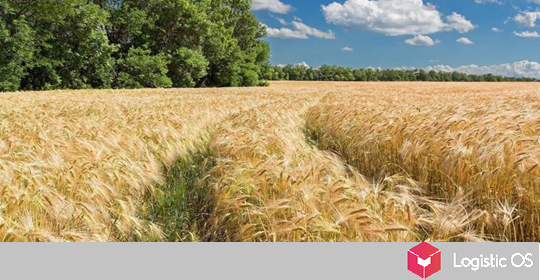
Restrictions on shipping in the Azov-Black Sea basin have triggered a serious crisis in the domestic grain market.

The domestic oil and fat sector is facing a paradoxical situation: oilseed harvest volumes are showing steady growth, yet processing plant utilization continues to decline.
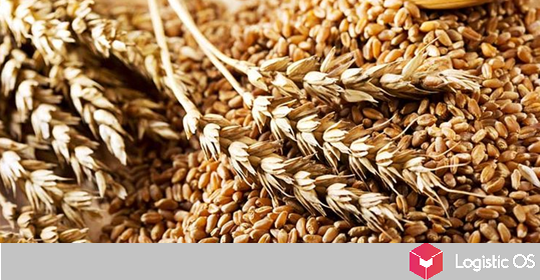
August 2026 began with a significant decline for Russian grain exports.